Using Applied Learning to Hire, Develop, and Retain Top Talent
Want the latest AEC&M insights as they develop?
The workforce challenges facing architecture, engineering, construction, and manufacturing organizations aren’t likely to disappear anytime soon. Experienced professionals are retiring while technology continues to evolve through AI, digital delivery methods, new software capabilities, and changing industry standards. As a result, many organizations are looking for technical skills that were barely on the radar just a few years ago.
Recruiting remains an important part of building a workforce, but it’s becoming increasingly difficult to hire enough experienced professionals to keep pace with those changes. More organizations are recognizing that long-term success depends just as much on developing the people they already have as it does on attracting new talent.
That shift is changing the role learning plays within an organization. Rather than just onboarding or periodic training, learning is now a strategic investment in workforce capability, helping organizations attract stronger candidates, accelerate employee development, and retain the technical expertise they’ll need for the future.
Attracting Talent Starts with Opportunity
Salary, benefits, and company culture will always influence where people choose to work, but they’re no longer the only factors. Technical professionals also want to know they’ll have opportunities to keep learning. Many recognize that continued opportunities to grow and develop are essential to building a successful career.
Organizations that invest in employee development have an advantage. They offer candidates something that extends beyond the job itself: a place where they can continue building skills, work with new technologies, and prepare for future opportunities. Recent Gallup research reinforces this trend, finding that nearly half of workers would consider changing jobs to gain access to upskilling opportunities. Career development has become an important part of the employee value proposition.
That commitment to development starts on day one. Every new hire arrives with a different mix of technical knowledge, software experience, and industry expertise, making a one-size-fits-all onboarding program difficult to justify. Assessing existing capabilities allows organizations to focus learning where it’s needed most, helping employees become productive sooner while avoiding time spent on skills they’ve already mastered.
Keeping Pace with Constant Change
Hiring skilled employees is only part of the equation. The technologies they use will continue to evolve throughout their careers as software vendors release new capabilities, industry standards change, AI becomes more integrated into everyday work, and organizations adopt new processes and workflows.
Keeping pace with that change requires more than occasional training events. It requires a learning strategy that supports employees as they encounter new tools, new workflows, and new challenges in their day-to-day work. Rather than pulling people away from projects for additional training, organizations can make learning readily available when questions arise, allowing employees to continue building skills while remaining productive.
That approach helps organizations stay ahead of change instead of constantly reacting to it.
Development Is One of the Best Retention Strategies
Organizations spend significant time and resources recruiting talented employees. Keeping them is just as important.
The strongest technical professionals are often the ones most interested in learning. They’re looking for opportunities to expand their expertise, work with new technologies, and prepare for the next stage of their careers.
When those opportunities don’t exist, they’ll often look elsewhere. When they do exist, organizations benefit from higher engagement, stronger institutional knowledge, and a deeper pipeline of future technical leaders.
The business impact is significant. Gallup estimates voluntary employee turnover costs U.S. businesses nearly $1 trillion annually. At the same time, 71% of employees who participate in upskilling report higher job satisfaction, while 75% say those opportunities have helped advance their careers with many advancing within their current organization.
When organizations focus on learning and development it gives talented people reasons to continue building their careers with that organization.
Learning Should Evolve with the Employee
Employee development isn’t a single event.
- Knowledge needs change throughout an employee’s career.
- A recent graduate needs foundational technical skills and company standards.
- An experienced designer may be learning new AI-enabled workflows.
- A senior engineer may be sharing decades of institutional knowledge with the next generation.
The learning required at each stage is different.
Organizations are best served by a learning strategy that evolves alongside employees, supporting onboarding, professional development, career growth, and knowledge transfer throughout the employee lifecycle.
Bringing the Strategy Together with Pinnacle Series
Building workforce capability requires more than access to training content.
Organizations need a way to understand employee skills, deliver learning that’s relevant to each individual’s role, reinforce knowledge during everyday work, and measure development over time.
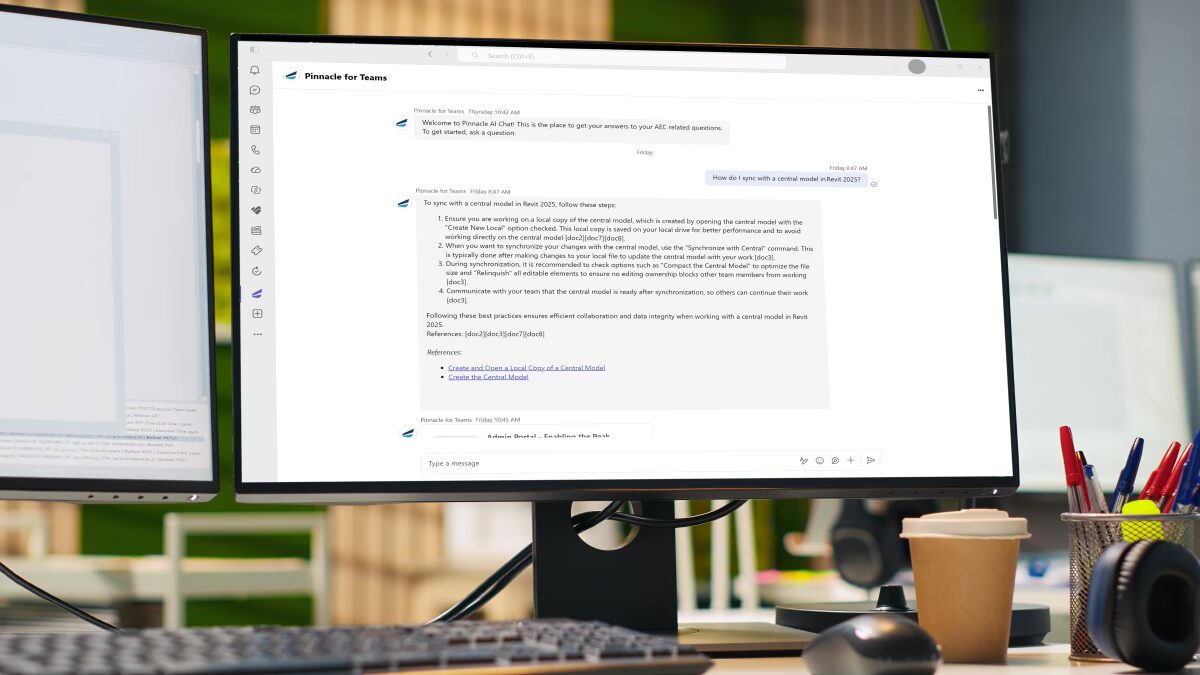
That’s the role Pinnacle Series was designed to play. Skills Assessments help organizations identify technical strengths and development opportunities before assigning learning. Personalized Learning Paths align development with employee roles and career goals, while role-based learning helps create consistency across teams and departments. Employees can access expert content, company standards, workflows, and AI-powered knowledge discovery whenever questions arise, making learning part of everyday work rather than something reserved for formal training sessions. Reporting provides leaders with visibility into workforce capability, helping them understand how skills are developing across the organization.
Rather than supporting a single stage of the employee lifecycle, Pinnacle Series evolves with your workforce – from hiring and onboarding through ongoing development, career growth, and long-term knowledge transfer.
Building the Workforce You’ll Need Tomorrow
Organizations often think about hiring, employee development, and retention as separate initiatives.
In practice, they’re closely connected. People are attracted to organizations that invest in learning. They become productive more quickly when development is aligned to their skills and responsibilities. They’re more likely to stay when they can continue growing throughout their careers.
Learning is one of the most effective long-term investments organizations can make in building workforce capability. The organizations that will be most successful in the years ahead won’t just hire talented people. They will create an environment where talented people continue to learn, grow, and build their careers.
Recent Posts
The latest posts on our blog, updated regularly with product tips, news, and industry advice on employee retention, reducing the skills gap, and more.