Why Workforce Readiness Is Becoming a Competitive Advantage - AU 2026 Edition
Want the latest AEC&M insights as they develop?
Every Organization Can Buy the Same Technology. Not Every Organization Gets the Same Results.
For years, competitive advantage often came from access to technology. Organizations that invested in better software could work faster, improve quality, and differentiate themselves from competitors.
Today, that advantage is much harder to sustain. Modern design and engineering firms have access to many of the same technology platforms, AI capabilities, cloud services, and collaboration tools. Autodesk continues to introduce innovations that make powerful technology more widely available, giving organizations new opportunities to improve how work gets done.
The question is no longer, “Do we have access to the technology?”
It’s, “How quickly can our people adopt it and use it consistently?”
Increasingly, that’s where organizations begin to separate themselves.
Workforce Readiness Is About Skills and More
When executives hear the term workforce readiness, it’s easy to think about training programs or employee development. In reality, workforce readiness is much broader than that. It’s the organization’s ability to respond to change with confidence.
Whether that change is new technology, evolving client expectations, shifting regulations, new project delivery methods, or an increasingly competitive labor market, organizations succeed when their people are prepared to adapt without disrupting the business.
That’s becoming increasingly important as the pace of change continues to accelerate. New tools and capabilities are introduced more frequently than ever, experienced professionals continue to retire, and organizations are expected to deliver projects faster while maintaining quality and consistency.
Workforce readiness provides the foundation that allows organizations to evolve without starting over each time something changes.
What Workforce Readiness Looks Like
Organizations with a mature approach to workforce readiness often share several characteristics.
New employees become productive sooner. They have a clear path for learning the tools, processes, and standards that define how work gets done, reducing the time it takes to contribute to projects.
Knowledge doesn’t leave with experienced employees. Standards, best practices, lessons learned, and institutional knowledge are documented and accessible, helping preserve expertise as teams grow and change.
Teams deliver work more consistently. Employees across offices, disciplines, and project teams have access to the same guidance, creating greater consistency without limiting flexibility where it’s needed.
People continue developing throughout their careers. Learning isn’t reserved for onboarding or major software upgrades. Employees have opportunities to expand their skills as their roles evolve and as business priorities change.
Organizations adapt more quickly. Whether introducing new technology, entering a new market, responding to client requirements, or adopting new delivery methods, prepared teams can adjust with less disruption and greater confidence.
None of these outcomes happen because of a single training course. They result from creating an environment where learning, knowledge, and organizational standards continually support the work people do every day.
Building Workforce Readiness as a Business Strategy
Many organizations already invest significantly in learning. The opportunity is making those investments more closely connected to business objectives.
Instead of asking, “How many courses did employees complete?” leaders are beginning to ask different questions.
- Are new hires becoming productive faster?
- Are project teams working more consistently?
- Is organizational knowledge easy to find and apply?
- Are employees prepared for new responsibilities?
- Can we adapt to change without disrupting ongoing work?
Those questions shift the conversation from learning activity to organizational capability.
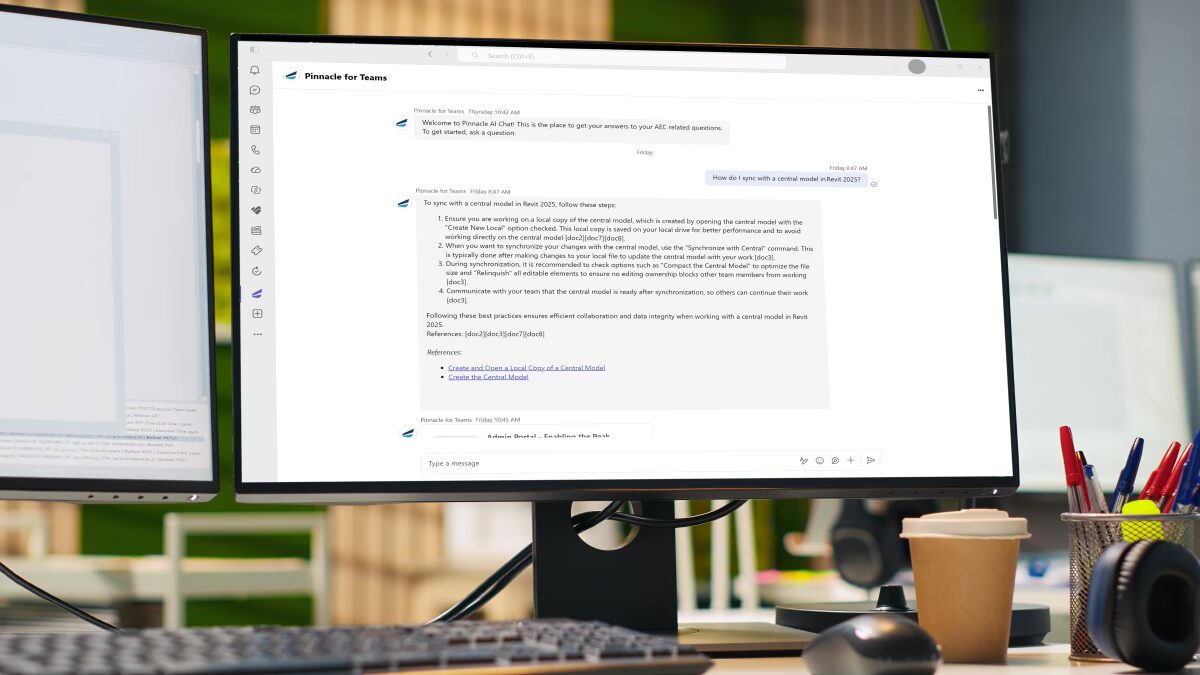
That’s where Applied Learning fits. Pinnacle Series helps organizations build workforce readiness by combining structured and point-in-time learning, assessments, personalized learning paths, searchable technical content, and organizational knowledge into a single environment that supports employees throughout their careers.
The Organizations That Will Lead Tomorrow
Technology will continue to evolve. Markets will change. Client expectations will continue to rise. The organizations that thrive won’t be the ones with access to the latest tools. They’ll be the ones that have built a workforce capable of learning, adapting, and applying new knowledge as those changes occur. That’s what makes workforce readiness more than a learning initiative. It’s becoming a competitive advantage.
Looking Ahead to Autodesk University
Autodesk University will showcase the future of technology. Use it as an opportunity to also think about the future of your workforce.
Every new capability creates an opportunity to improve how work gets done, but it also creates an opportunity to strengthen the knowledge, skills, and adaptability of the people using it.
Organizations that invest in both will be better positioned for whatever comes next.
Recent Posts
The latest posts on our blog, updated regularly with product tips, news, and industry advice on employee retention, reducing the skills gap, and more.