Building a More Capable Municipal Infrastructure Workforce
Want the latest AEC&M insights as they develop?
Building a More Capable Municipal Infrastructure Workforce
Every day, municipal employees are responsible for the infrastructure their communities depend on.
Public works teams maintain streets and public spaces. Water and wastewater departments manage critical systems. Engineering teams design improvements and review plans. Capital improvement teams oversee projects that can take years to deliver.
Technology is embedded throughout that work. AutoCAD, Civil 3D, Bentley applications, Revit, Esri, and other specialized tools are part of the day-to-day environment for many municipal employees. But providing access to the technology—and training people on how to use it—is only part of preparing employees to do their jobs effectively.
Employees also need to understand how their organization works: its standards, workflows, procedures, templates, project requirements, and expectations.
The challenge is bringing all of that together in a way that helps people build the right skills, find the knowledge they need, and apply it to their work.
For municipal infrastructure organizations, that means thinking beyond individual software courses and taking a broader approach to workforce readiness.
Here are five practical steps to get started.
1. Start With the Work, Not the Training
One of the easiest mistakes to make is starting with the training library. Instead, start by asking what people actually need to do their jobs. The requirements for a city engineer are different from those of someone working in public works. A CAD manager has different responsibilities than a construction manager. Even employees using the same application may use it differently depending on their department, role, or project.
For each important technical role, identify the software and applications used, expected level of proficiency, common workflows and tasks, city standards and procedures, department-specific requirements, and skills that may be needed for upcoming projects.
You don’t need to map the entire organization at once. Start with three to five roles where stronger technical development could have an immediate impact. Once you establish a baseline and know what someone in those roles need to know to do the job effectively, you can build learning around actual workforce needs instead of assigning the same training to everyone.
2. Bring Technical Learning and City Knowledge Together
Beyond learning, there is another challenge: finding the right information when an employee needs it.
Software training may come from several providers. CAD standards could live on a shared drive. Procedures may be PDFs on an intranet. A workflow might exist as a video someone created two years ago. Other important knowledge may live primarily with an experienced engineer or CAD manager.
Employees shouldn’t have to know where information is stored or who to ask to find what they need.
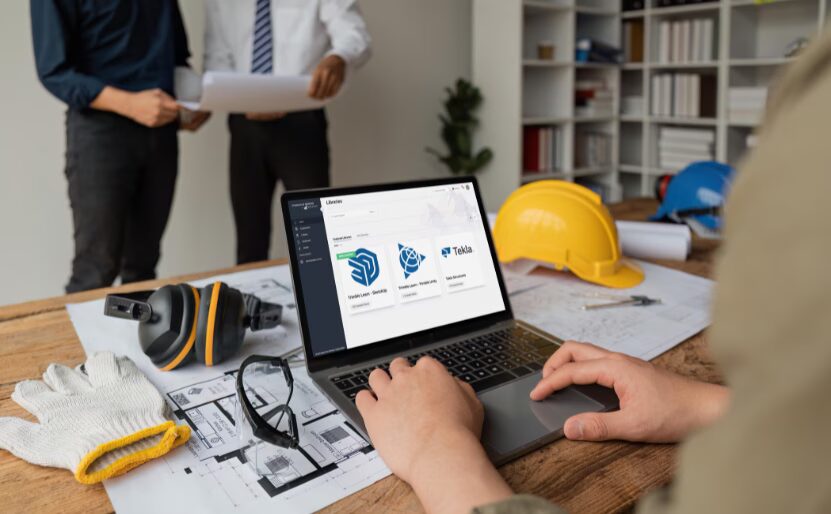
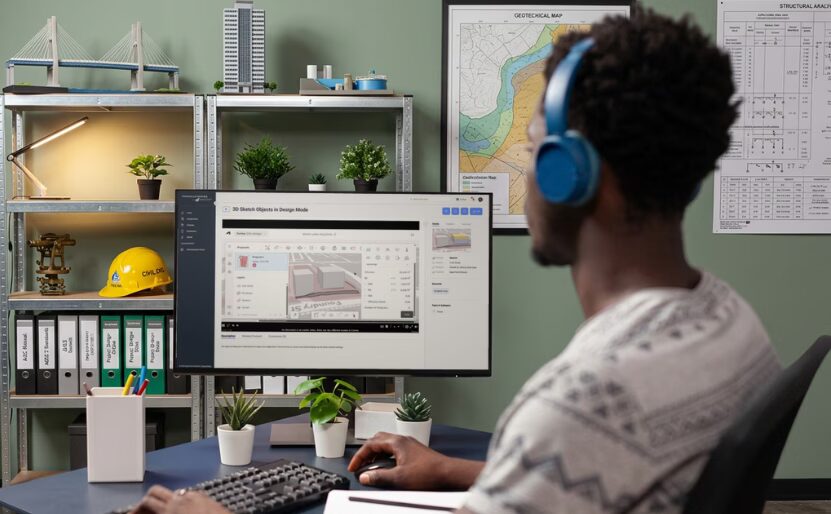
A centralized learning environment can bring software training together with the organization’s own knowledge, including CAD standards, SOPs, workflows, templates, checklists, technical documentation, internal training videos, and lessons learned.
That distinction matters. Someone may know how Civil 3D works but still need to understand how your city expects Civil 3D to be used.
Bringing those two types of knowledge together helps turn generic software proficiency into knowledge employees can apply to their actual work.
3. Build Learning Around Roles and Responsibilities
A large library of training content is useful, but more content doesn’t automatically make development easier.
Employees still need to know what applies to them. That’s where role-based learning becomes important. Instead of expecting someone to search through hundreds of resources, organizations can create a defined path around the skills and knowledge associated with a particular job or skills gaps.
For example, a civil engineering learning path could progress through:
Civil 3D Fundamentals → Design Workflows → City CAD Standards → Templates → Plan Production → Internal Review Procedures
That combines general technology skills with the specific knowledge required to perform the role within the organization. This can be especially valuable for roles with frequent hiring, long onboarding periods, heavy software use, or a high dependence on experienced employees for day-to-day support. It also creates a clearer development path as employees take on more advanced workflows, applications, and responsibilities.
4. Make Learning Part of the Work
Municipal departments can’t put projects on hold every time someone needs to learn something. Sometimes an employee needs formal training, such as a Civil 3D course or structured learning path for a new Bentley application.
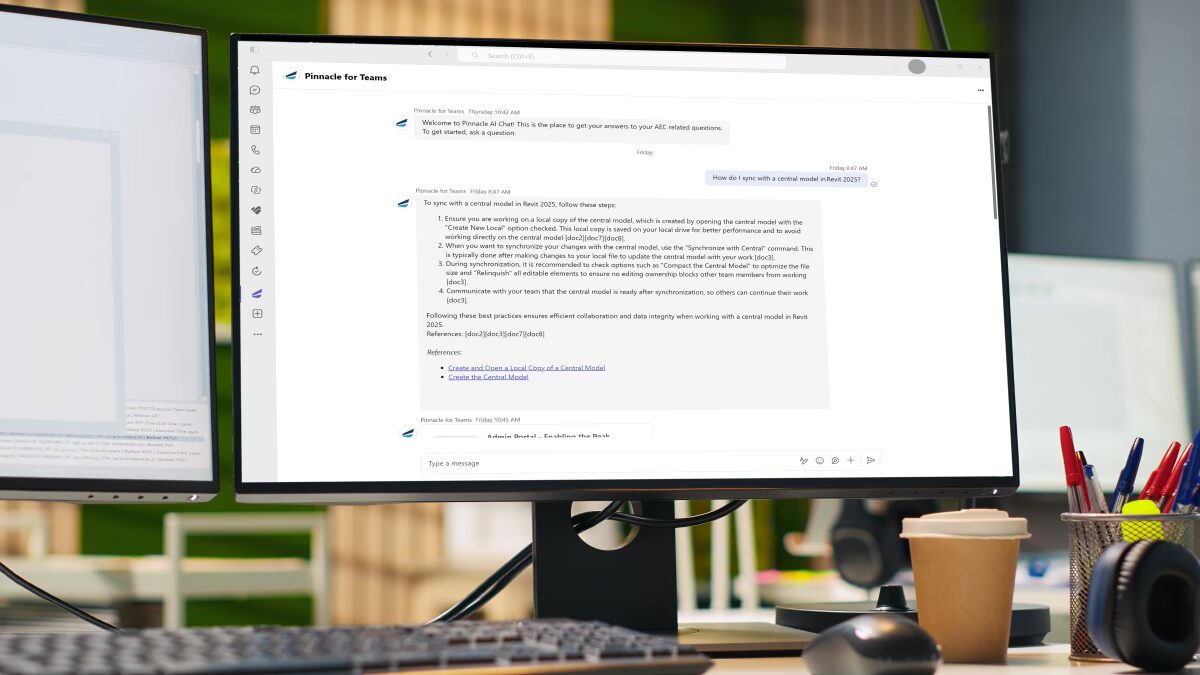
But sometimes they just need an answer. They may be halfway through a task and need to remember a workflow. They might need the latest CAD standard, a naming convention, a checklist, or a five-minute explanation of a process they don’t perform very often. An effective workforce development strategy needs to support both situations: structured learning and point-of-need guidance.
This is also an opportunity to reduce dependence on internal experts. If a CAD manager explains the same workflow ten times a month, capture it. If engineers continually ask where to find a standard, make it searchable. If a process is frequently performed incorrectly, create guidance around it. Repeated questions can become reusable organizational knowledge instead of recurring interruptions.
5. Treat Workforce Readiness as an Ongoing Process
Technical development isn’t something an organization completes once. Software changes. Standards are updated. Employees move into different roles. Experienced employees retire. New projects introduce new requirements.
Onboarding makes this particularly visible. Even an experienced new hire needs time to understand the city’s technology environment and procedures. Bringing those elements into a structured onboarding experience can help employees contribute sooner while reducing the amount of one-on-one support required from senior engineers, CAD managers, and other internal experts.
The same approach should continue after onboarding. Organizations should periodically ask whether applications have changed, workflows have been updated, new projects require different skills, or employees are repeatedly asking questions that existing learning content should answer. This will help keep workforce capability aligned with the work the organization needs to deliver.
You Don’t Have to Solve Everything at Once
Building a municipal technical workforce program can sound like a major undertaking. It doesn’t have to start that way. Pick one department and one meaningful workforce challenge.
For a public works department, that might mean improving Civil 3D skills and standardizing CAD practices. A water or wastewater department might focus on capturing experienced employee knowledge while developing newer staff. An engineering department might create role-based learning that combines software training with city standards. A capital projects team might focus on making technical knowledge and workflows easier for project teams to access.
Then measure what changes. Look at onboarding time, training completion, skill development, content usage, recurring support questions, and employee proficiency. Use what you learn to refine the approach before expanding it to additional roles and departments.
Building the Workforce Behind the Infrastructure
Municipal infrastructure depends on technology, but technology alone doesn’t create capability. People need the skills to use it, the organizational knowledge to apply it correctly, and access to guidance when the work is actually happening.
Pinnacle Series gives municipal infrastructure organizations one place to bring together software training, city standards, workflows, internal knowledge, and role-based development helping employees build skills, find answers, and apply what they learn to the work they deliver.
Build Skills. Apply Fast. Deliver Results.
Recent Posts
The latest posts on our blog, updated regularly with product tips, news, and industry advice on employee retention, reducing the skills gap, and more.