Building Workforce Agility Through Continuous Learning
Want the latest AEC&M insights as they develop?
Most organizations will say they want a more agile workforce. However, not all can execute on building one.
Workforce agility can be the real differentiator. Not access to technology, but the ability to use it effectively, consistently, and at pace.
Project timelines are tighter while expectations from clients, leadership, and the market keep rising. The organizations that keep up are not just the ones that invest in new tools. They are the ones who build teams capable of adapting as those tools, workflows, and demands change.
That is why more organizations are rethinking how learning fits into the way work gets done.
Agility is a Capability, Not a Reaction
Many organizations think about agility as speed – how quickly they can respond to change. But speed without capability creates friction.
If your teams are expected to move faster and quickly adapt to change, your learning strategy has to evolve with them. When teams are constantly reacting without the skills to support that change, it shows up quickly. Productivity takes a hit while standards start to drift.
True agility looks different. It shows up when teams can absorb change without losing momentum. When they can take on new tools, processes, or project demands and stay productive while doing it. That kind of agility does not come from one initiative. It is built over time.
Continuous Learning is What Makes Agility Possible
Most organizations already invest in training, and that foundation matters. But in environments where change is constant, learning cannot be tied to a single moment. It has to be continuous.
Continuous learning is what allows teams to be agile without starting over every time something changes. It reinforces skills after initial training. It helps employees build confidence as they apply new knowledge. It creates a way to keep development aligned with the work that is actually happening.
More importantly, it reduces the gap between knowing and doing. Because that gap is where most organizations struggle. Not with access to learning, but with turning that learning into consistent performance.
Learning Only Matters Most When It Shows Up In The Work
This is where many learning strategies fall short. When it comes time to execute, teams still struggle to apply what they know.
Workforce agility depends on learning that carries into real work. It has to support decision-making, reinforce standards, and help people move forward when they hit moments of friction. Otherwise, agility stays out of reach.
This is why applied learning is gaining traction. It connects learning directly to execution. It makes skills development more relevant, more immediate, and ultimately more useful.
Where Pinnacle Series Comes In
Pinnacle Series was built around the idea that learning should support performance, not sit alongside it.
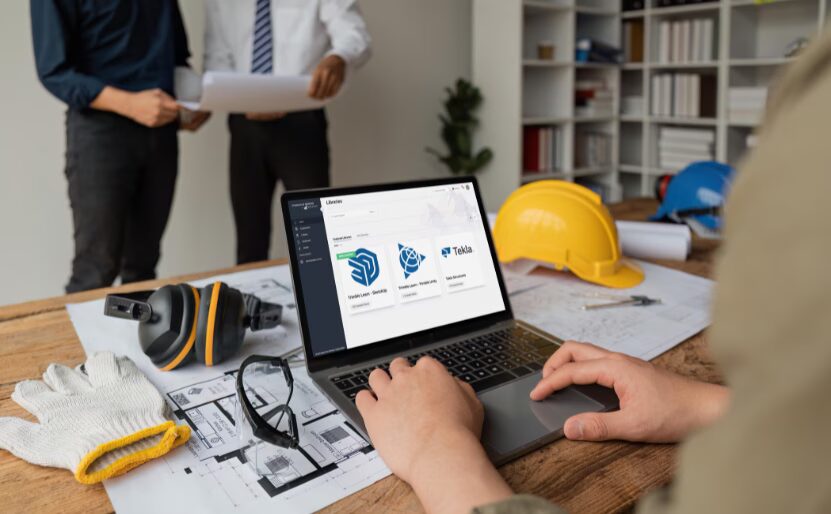
It gives organizations a way to combine expert-led content, personalized learning paths, and skills assessments with their own internal knowledge and standards. That matters because agility is not just about learning new tools. It is about applying them the right way inside your business.
Instead of separating training from execution, Pinnacle Series helps bring the two closer together.
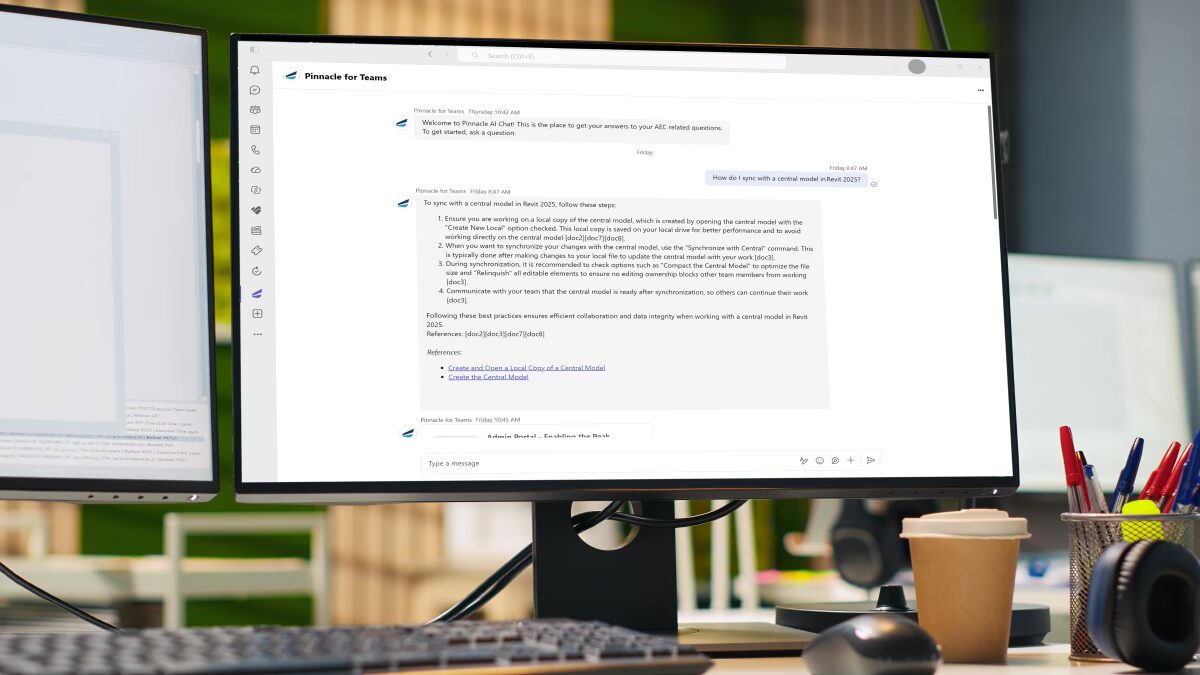
Teams can access structured learning when they need to build foundational skills, and they can find targeted on-demand learning resources when they need help in the moment.
At the same time, leaders get visibility into how learning is progressing, where teams are building capability and where gaps still exist. That makes workforce development more intentional and less reactive.
What Workforce Agility Actually Looks Like
When continuous learning is working, agility becomes visible. It looks like onboarding that does not take months to reach productivity. It looks like smoother adoption when new tools are introduced. It looks like teams that follow standards more consistently without needing constant oversight.
It also looks like less reliance on a few key individuals to carry critical knowledge. Instead, that knowledge is shared, structured, and accessible across the organization.
None of this happens overnight. But over time, it creates a workforce that can respond to change without slowing down.
Conclusion
Workforce agility is not something you turn on. It is something you build. It comes from creating an environment where learning continues, where knowledge is easier to apply, and where teams are supported as work evolves around them.
Continuous learning is what makes that possible. When that learning is connected to real work – when it is applied, personalized, and reinforced it becomes a true advantage. That is the shift organizations are making. It is exactly where Pinnacle Series is designed to help.
Connect with a member of our team to learn more about how you can build a more agile workforce with Pinnacle Series.
Recent Posts
The latest posts on our blog, updated regularly with product tips, news, and industry advice on employee retention, reducing the skills gap, and more.